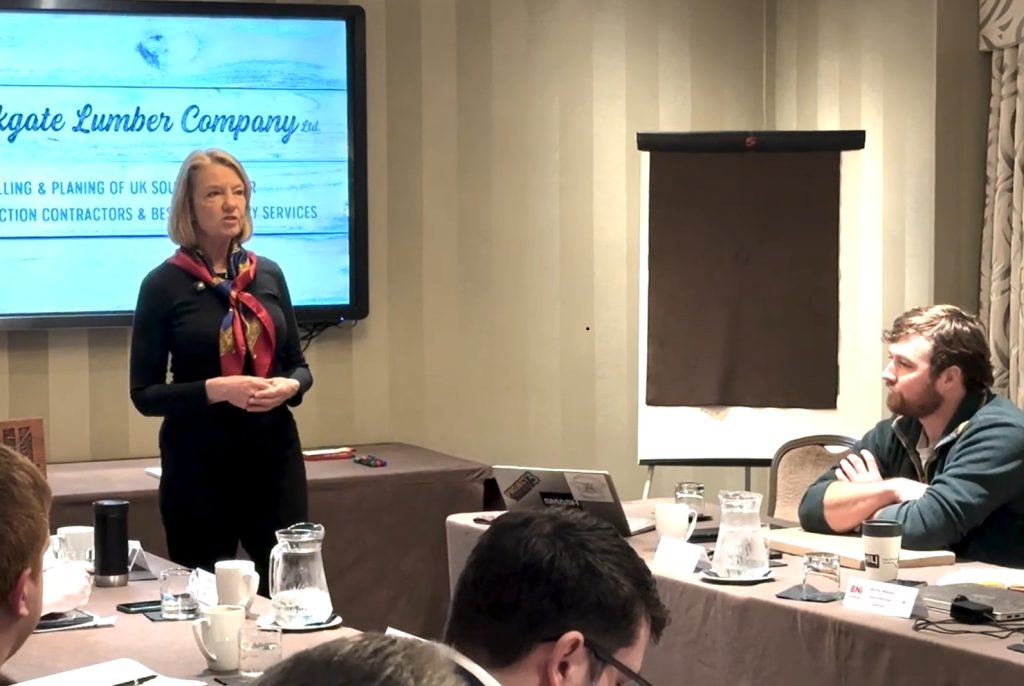
In this BNI Education Slot, Gail Biddulph explores one of the most influential yet often underestimated elements of a successful BNI chapter: its culture. While culture is rarely written down or formally defined, Gail explains that it is something people instinctively feel within seconds of entering a room.
She opens by posing a simple but powerful question: what actually creates culture? According to Gail, culture is “the conversation underneath the conversation”; the unspoken behaviours, attitudes and expectations that shape how members interact with one another. These subtle elements determine whether a chapter feels professional, supportive, and trustworthy, or uncomfortable and disconnected.
Gail highlights that culture is not fixed. It can change quickly, and in some cases, it can deteriorate just as fast. She explains that culture can become broken or stagnant when trust begins to erode, often through small moments rather than major incidents. Once trust is damaged, rebuilding it takes considerable time and effort.
Referencing the well-known idea that “culture is the shadow of the leader,” Gail points out that leadership behaviour plays a critical role in setting standards within a BNI chapter. However, she also reminds members that leadership alone does not define culture. Every member brings their own business culture into the room, meaning that a shared chapter culture must be consciously maintained and protected by everyone involved.
She goes on to describe how culture is shaped not only by what is said out loud, but also by silence, confidence, and consistency. The way members present themselves, the clarity with which they understand their own businesses, and the confidence they bring into the room all contribute to the overall atmosphere of the chapter.
A particularly important point Gail raises is how culture extends beyond the meeting itself. She explains that how members “turn up” on platforms such as WhatsApp is just as important as how they behave during meetings. Even casual or offhand comments can either strengthen the chapter culture or slowly undermine it.
Gail links these behaviours directly to referrals, explaining that trust and professionalism influence whether members feel comfortable making introductions. If someone is perceived as unprofessional or unreliable, others may hesitate to refer them, not out of malice, but out of a desire to protect their own reputation and clients.
Gail concludes by reinforcing that a strong, cohesive culture allows members to elevate their businesses, increase both the quality and quantity of referrals, and enjoy a professional environment that still embraces fun and integrity. Her final message echoes a well-known principle in business and leadership: culture eats strategy for breakfast.
Full Transcript
(00:00)
We’ve actually eroded just a little bit of trust culture. What does it mean? You can walk into a room, can’t you, and you can feel the culture. It probably takes about ten seconds. But what creates it? What’s a good culture? What’s a bad culture? Some people say that culture is the conversation underneath the conversation that we’re actually having.
(00:43)
A culture can be broken. It can become bad or stagnant just like that. What creates it? What makes that happen? Some people say that culture is the shadow of the leader. There’s a famous saying — I think it was Sten who said it many years ago.
(01:17)
Here at BNI, we have a leadership team, and the culture from that leadership team comes from three separate businesses. Then we’ve got 30 people in the room today, each with their own business and their own culture. So how can we have such a great culture here at Chester BNI?
(01:47)
It’s the conversations underneath the conversations. It’s the silence. It’s that feeling — that power, assuredness, assertiveness, and confidence in our own businesses. It’s the ability to know what we do, why we do it, when we do it, and why we want to do it.
(02:13)
But it’s also about how we turn up — how we turn up in the room and how we turn up on WhatsApp. Every single little comment we make on WhatsApp can either add to the culture or take away from it.
(02:52)
If something is taken away from the culture, it takes an awful lot of effort to get it back, because we’ve eroded just a little bit of trust. We expect people to be trustworthy and professional when they turn up with our clients. But if we’re unprofessional on WhatsApp or in the room, the culture changes.
(03:22)
That impacts how many referrals we give, how many we receive, and what introductions we make. You might know someone well, but you might think, “Am I going to introduce you?” because you remember a comment they made and how it could come across to a client.
(03:49)
If we want to elevate our businesses and get more referrals, the culture we have here is incredibly important. That’s why we’re so cohesive and why we do such a great job of maintaining professionalism with fun and integrity at all times. Because, as they say, culture eats strategy for breakfast.


 Subscribe for the latest BNI Education Slots